
Learn more from Yuta
What is Incontinence?
Incontinence is the loss of bladder control, which causes unintentional leakage of urine. This condition can have a negative impact on daily life, affecting physical comfort, emotional wellbeing, and social confidence.
Incontinence is a very common problem. Research shows that about 62% of women aged 20 and older experience some form of incontinence, compared to a significantly lower percentage in men.
Types of Urinary Incontinence
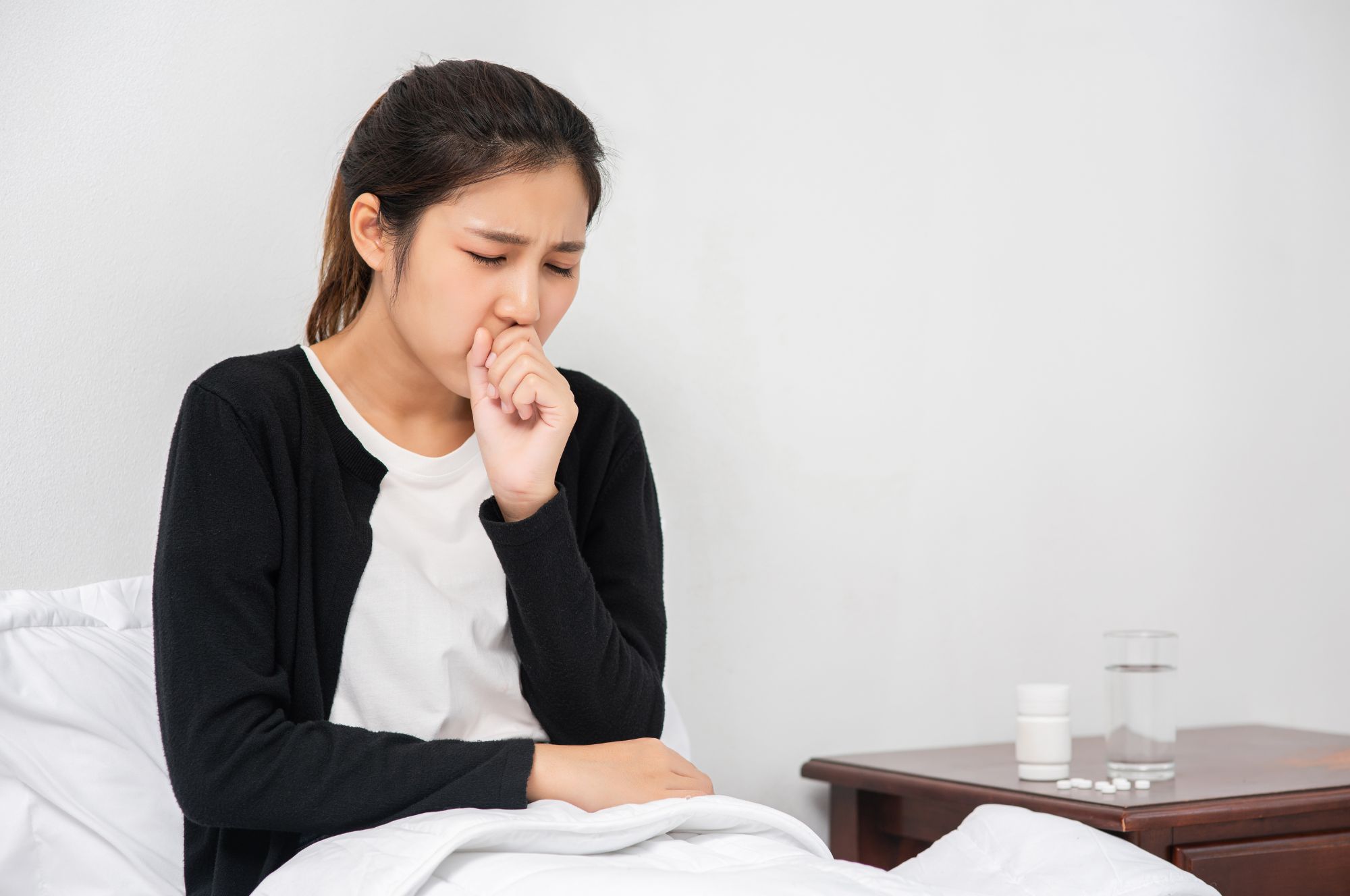
Stress Incontinence
Happens when urine leaks due to pressure on the bladder from actions such as coughing, laughing, sneezing, or physical activities like jumping or running.
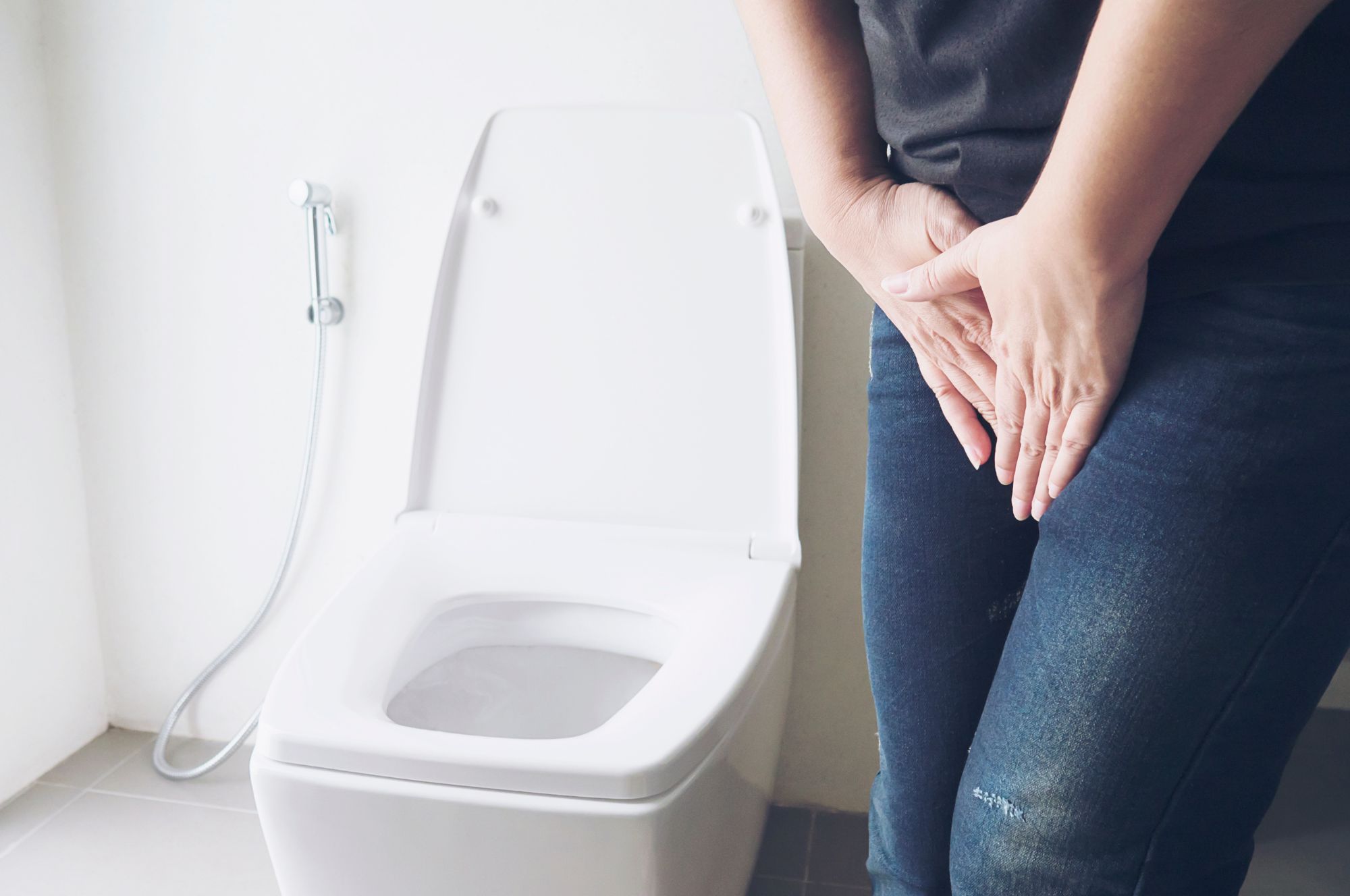
Urge Incontinence
Happens when you feel a sudden, strong urge to urinate and are unable to hold it, causing urine to leak before reaching the bathroom.
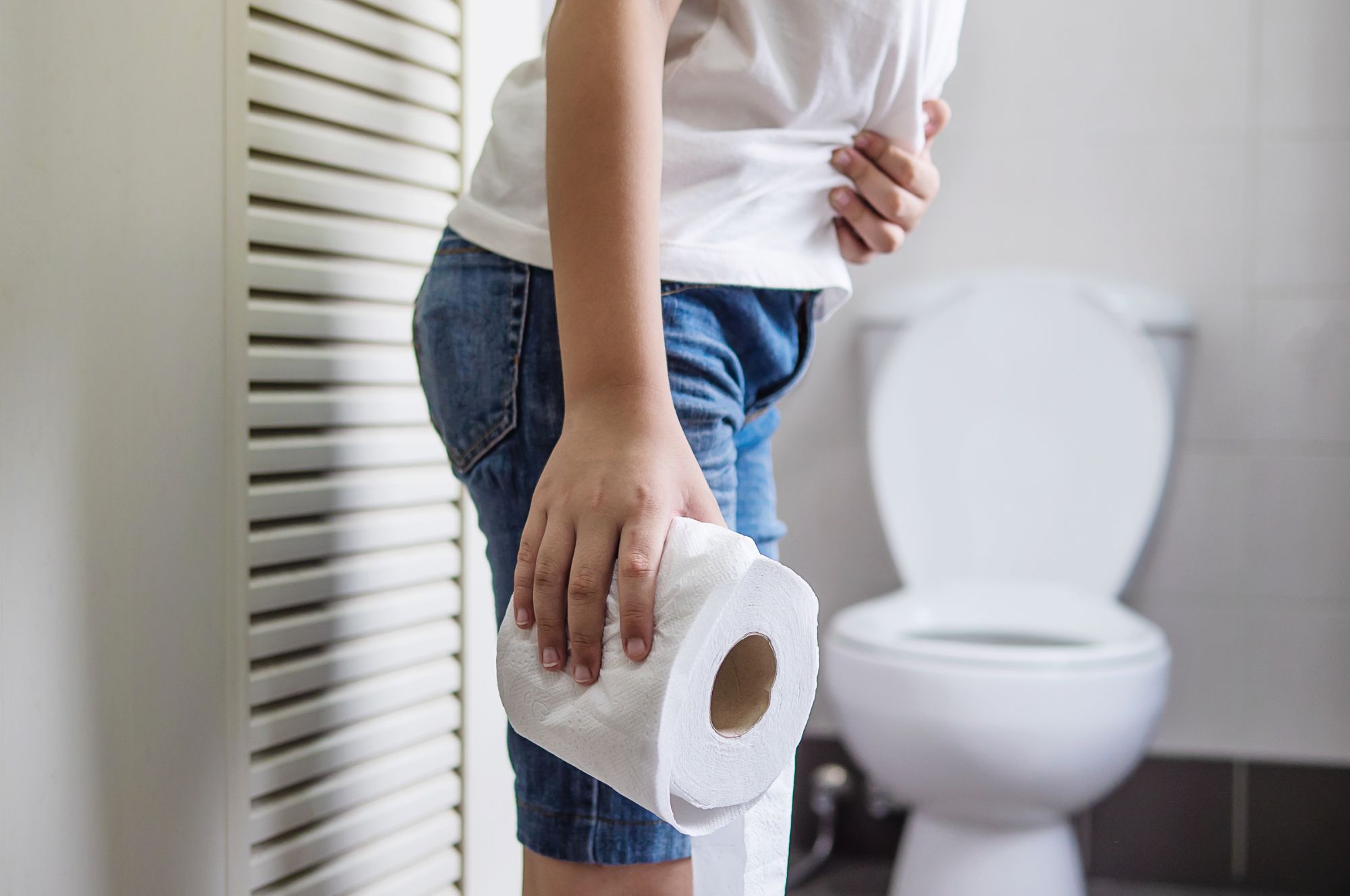
Mixed Incontinence
Happens when both Stress Incontinence and Urge Incontinence occur together. This is common, and more than half of females with incontinence experience this type.
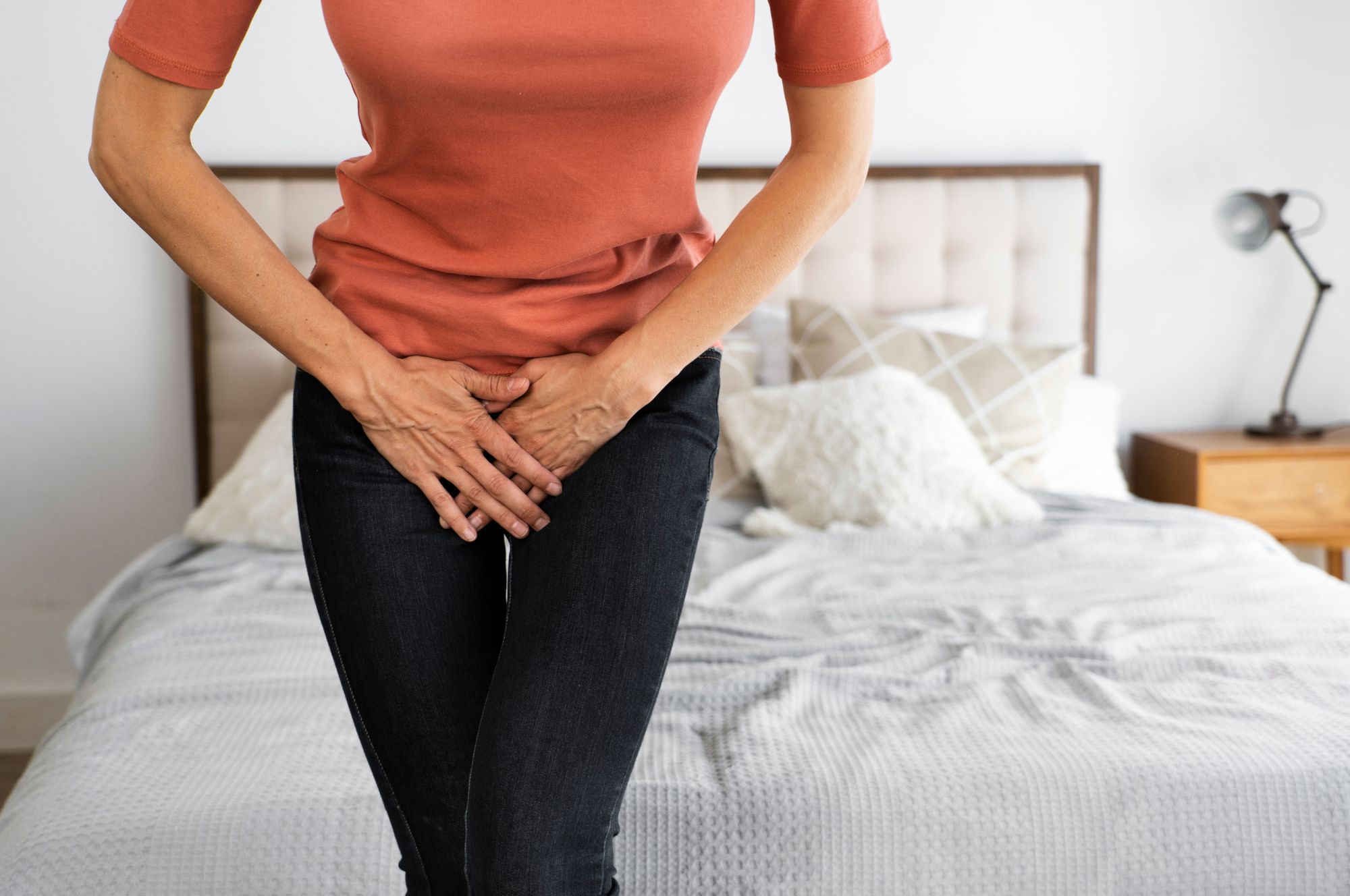
Overflow Incontinence
Happens when the bladder is too full and cannot empty completely, leaving urine remaining inside the bladder.
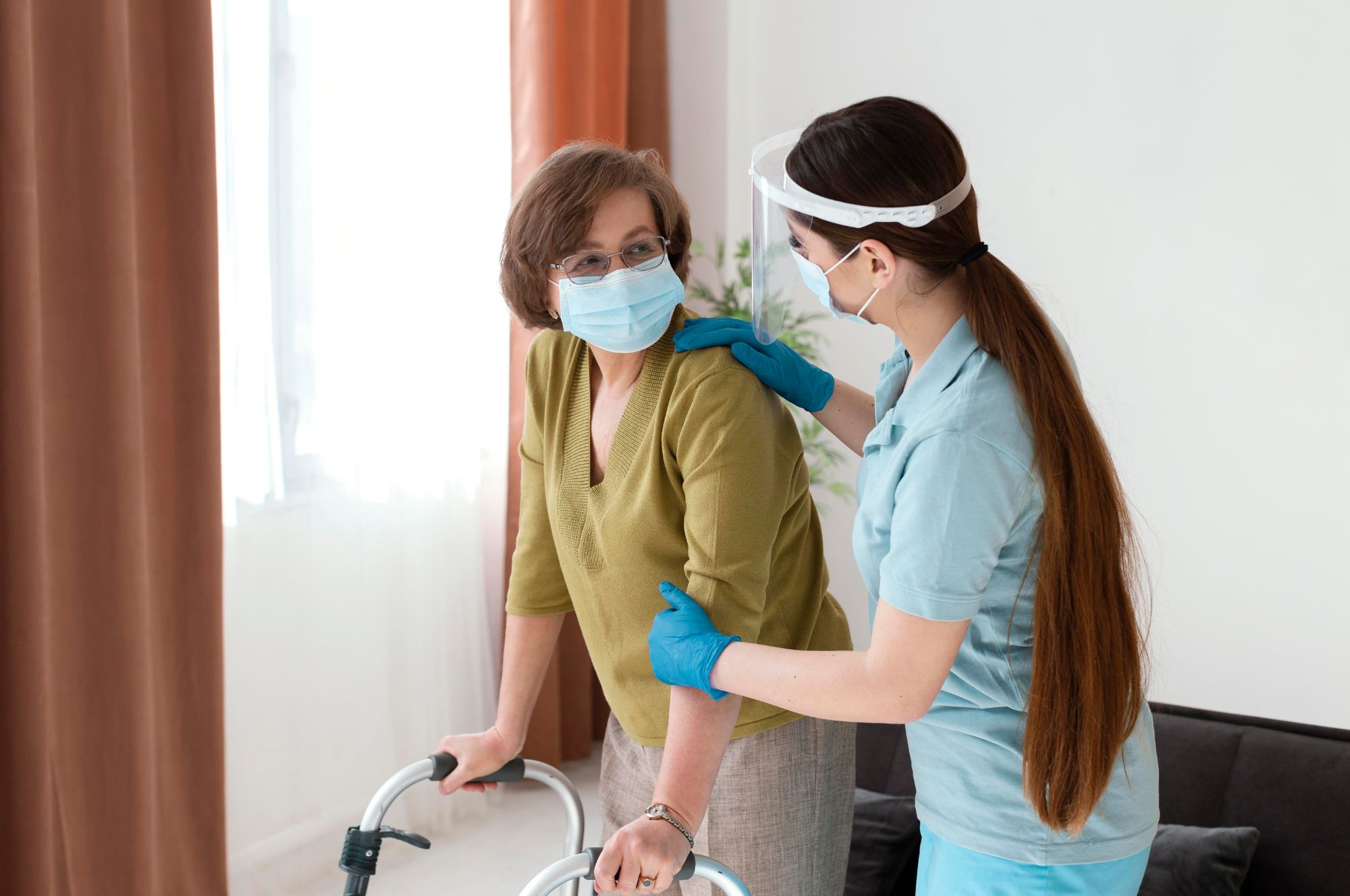
Functional Incontinence
Happens when you lose bladder control due to a health condition that makes it difficult to reach or use the toilet in time.
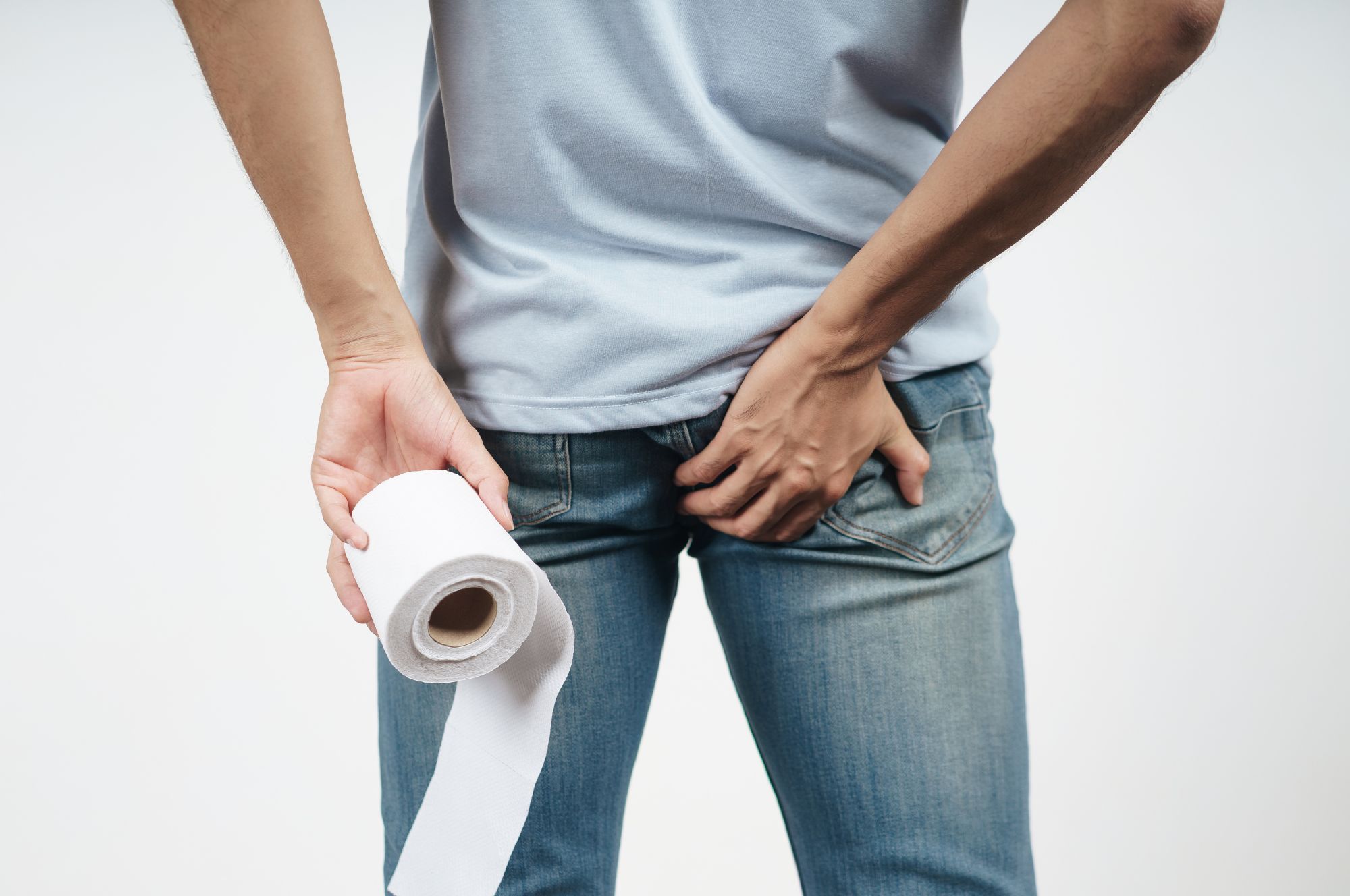
Fecal (Bowel) Incontinence
Happens when you are unable to control bowel movements, leading to the leakage of stool or gas.
Risk Factors that can cause Urinary Incontinence
1. Natural Aging
As muscles age, the ability to store urine decreases.

2. Pregnancy
Pregnancy increases the weight of the uterus, placing pressure on the bladder.
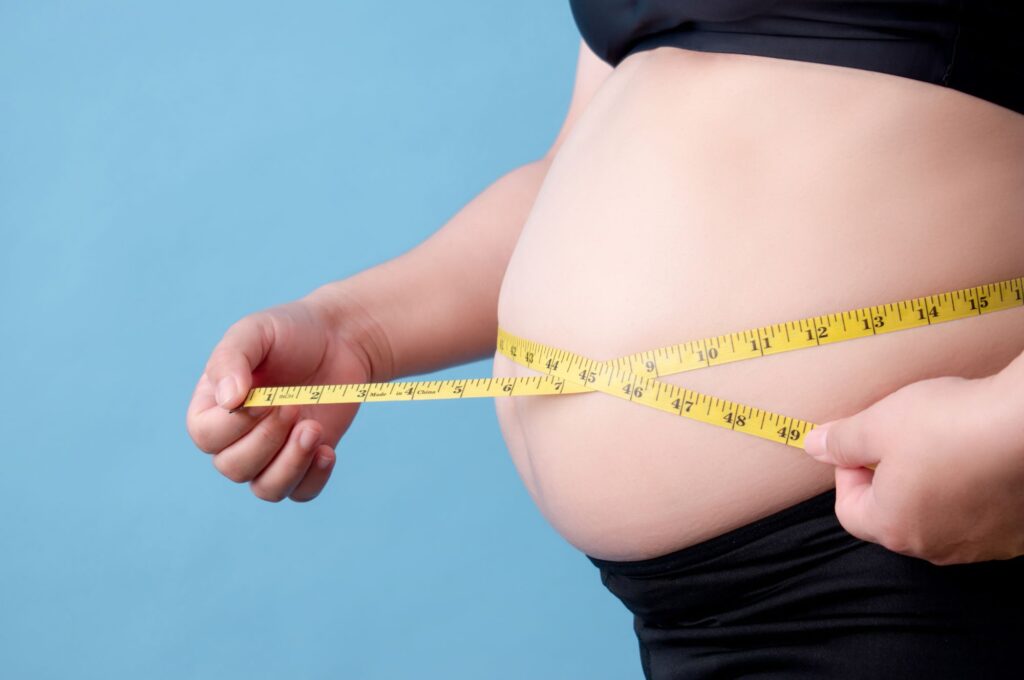
3. Obesity
Excess body weight can weaken bladder support and contribute to incontinence.
4. Menopause
Reduced estrogen levels during menopause can weaken bladder and urethral tissues, contributing to incontinence.

5. Neurological Conditions
Neurological disorders such as Alzheimer’s disease or Parkinson’s disease can impair urinary control and lead to incontinence.
6. Urinary tract infections (UTIs)
UTIs may cause a sudden, strong urge to urinate and difficulty holding it.
7. Constipation
Chronic constipation can increase pressure on the bladder or weaken the rectal muscles and pelvic floor, leading to functional and fecal incontinence.
8. Childbirth
Vaginal delivery may weaken bladder control muscles and damage bladder nerves, increasing the risk of incontinence.

9. Medications
Certain medications can affect bladder function and contribute to loss of urinary control.

10. Prostate Issues
Enlargement or other prostate conditions can weaken bladder muscles and lead to overflow incontinence.

11. Hysterectomy
Surgical procedures involving the female reproductive organs may damage supporting pelvic floor muscles, increasing the risk of incontinence.
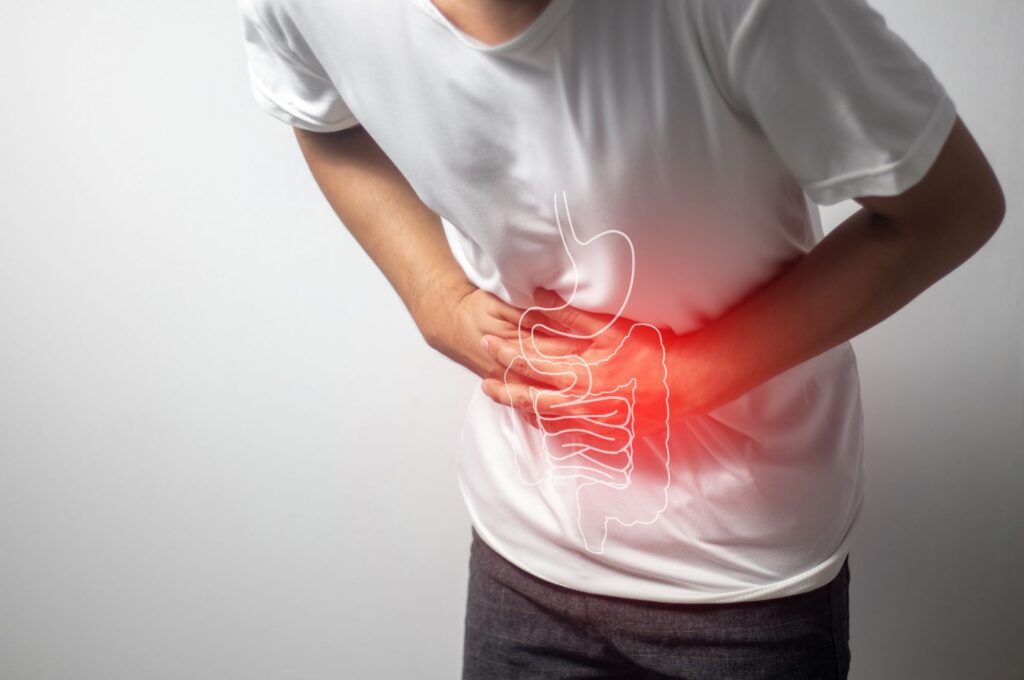
12. Inflammatory bowel disease
Conditions such as Crohn’s disease or ulcerative colitis may damage nerves or muscles in the pelvic area, contributing to incontinence.
How to choose the right adults diaper?
Finding the right adult diaper is not just about protection — it’s about comfort, confidence, and maintaining dignity. Whether you are choosing for yourself or a loved one, here are the key factors to consider:
| Feature | Pants-Style (Pull-Ups) | Tape-Style (Briefs) |
|---|---|---|
| Best for | Active & independent users | Users with limited mobility or caregiver support |
| How to wear | Worn like regular underwear | Secured with adjustable side tabs |
| Ease of change | User-friendly, convenient for self-changing | Easy for caregivers to change without removing clothes |
| Discreetness | Slim fit, ideal for daytime & outdoor use | Bulkier but more secure for long wear |
| Absorbency | Light to moderate protection | Moderate to heavy protection, suitable for overnight |
| Comfort | Soft, flexible, feels like regular underwear | Snug and secure fit, adjustable |
| Recommended use | Daytime activities | Nighttime use, bedridden care, extended wear |
The most important factor in choosing an adult diaper is absorbency. A good diaper should not only prevent leakage, which offers:
Locks liquid quickly and effectively. |
Provides repeated protection for longer wear. |
Keeps skin dry and reduces the risk of irritation. |
Prevents unpleasant smells for confidence in daily life. |




i) Material
The quality of materials plays a vital role in comfort, protection, and skin health. Your skin deserves the best care, especially with daily use.
 Breathable Premium SoftnessAllows air circulation to keep skin cool and dry. |  Made with Premium Quality Material :Super Absorbent Polymer (SAP) To locks in liquid quickly and provides high absorbency. |
 Hypoallergenic Safe for sensitive skin. | |
ii) Proper Fit
A well-fitting diaper prevents leaks and ensures ease of movement. Always measure the waist and hip before choosing the right size. Look for:
 Stretchable waistbands / Elastic Waistband with Magic Tape Provide a secure, comfort-fit. |  Secure leg cuffs To prevent side leakage and ensure freedom of movement. |
 Double leak-proof stereo protection Offers extra security against leaks, even during longer wear. | |